
September 23, 2026
Pickleball Injuries Are Rising: What Players Over 50 Should Know
Playing pickleball after 50? Learn about common injuries, preparing for a game, when pain needs care, and how Omni can help you work toward returning.
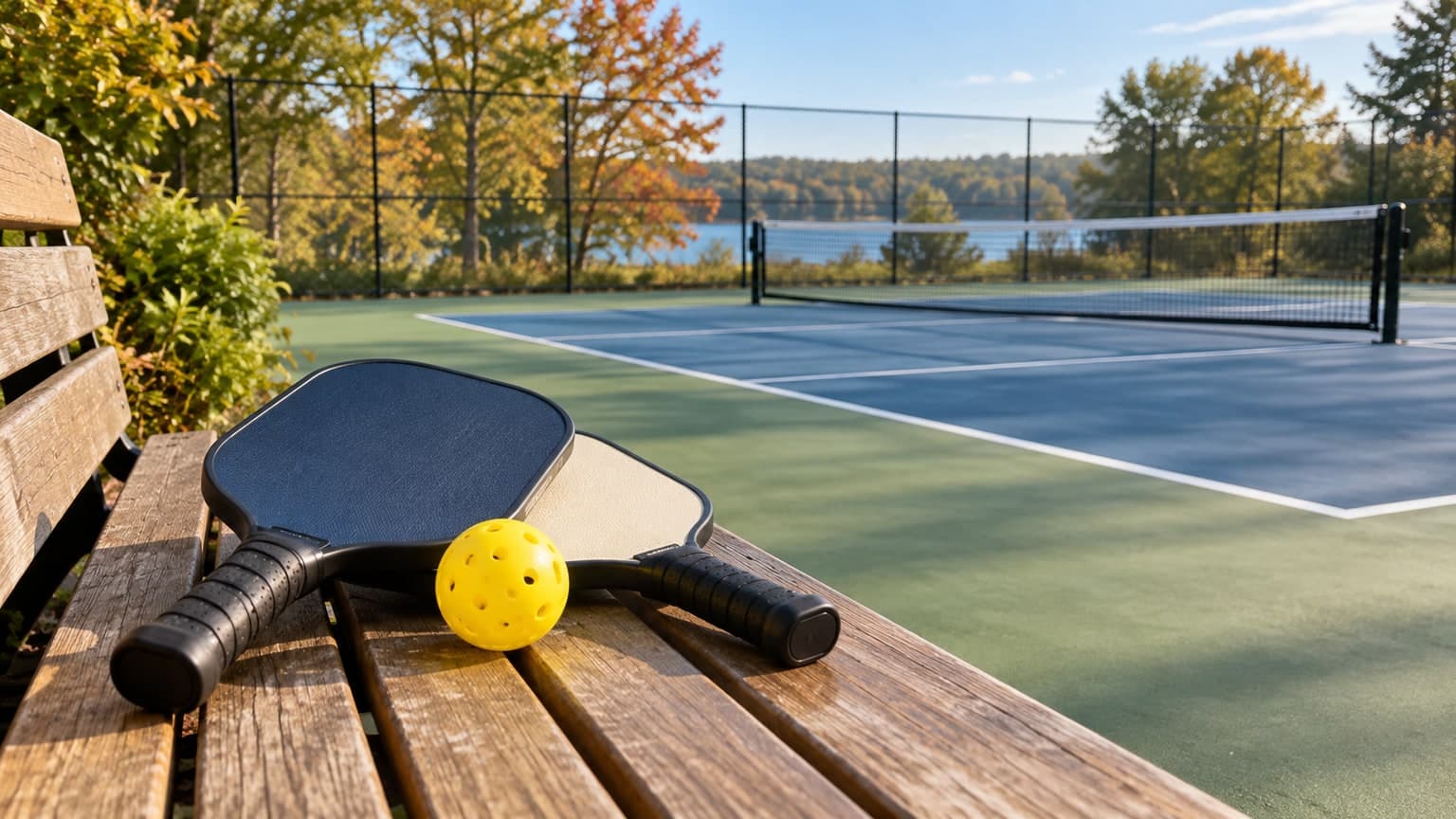
You planned to play a couple of games. An hour later, another group arrives and asks if you're staying. It's easy to say yes when the game is fun and the company is good.
For players over 50, keeping pickleball enjoyable means preparing for the movement it demands and paying attention when pain starts changing how you play. Warm up, build your playing time gradually, and get an injury assessed when it needs care. An evaluation can also help you work toward returning to the court after an injury.
What do the injury numbers tell us?
Emergency-department visits for pickleball injuries increased in a national study covering 2013 through 2022 (opens in a new tab). Researchers estimated 66,350 visits over those ten years. Falls accounted for about two-thirds of the injuries, and fractures, strains, and sprains were common diagnoses.
Adults ages 65 to 80 accounted for the largest share of injuries in that study. The data describe injuries treated in emergency departments; they do not tell us an individual player's chance of getting hurt each time they play. They also miss problems treated elsewhere, including a sore elbow that brings someone to an outpatient appointment.
These findings give players a reason to take preparation and falls seriously, whatever their age.
Which aches and injuries should players watch for?
Yale Medicine's sports physicians describe (opens in a new tab) ankle and knee sprains, Achilles tendon irritation near the heel, shoulder tendon inflammation, and elbow pain among the problems they see. Repeated wrist and arm movements can contribute to the elbow symptoms sometimes called “pickle elbow.”
At an appointment, explain what you were doing when the problem began. Did you fall, reach for a shot, or notice the pain gradually? Tell the provider whether it bothers you during play, afterward, or during an ordinary task such as lifting a bag. Those details help frame the evaluation without requiring you to diagnose the injury yourself.
How can you prepare for a game?
A warmup and a gradual increase in play (opens in a new tab) can help you meet the game's demands. Allow five to ten minutes for moving warmups, wear supportive tennis-type shoes suited to the court, and choose a comfortable paddle grip. Take breaks when tired, and increase games or playing time as your fitness allows.
Between court days, include cardiovascular exercise and strength work, along with attention to balance and reflexes. If an injury or medical condition limits you, ask your provider which activities fit your situation.
When you're returning after time off, tell your playing partners that you may finish early. Deciding that before the first serve makes it easier to pass on one more game.
When should you stop playing and get medical care?
Get medical care for a suspected fracture. A limb that looks out of place, severe pain, or an inability to bear weight after an injury can be signs of a broken bone (opens in a new tab). Call 911 for a suspected hip, pelvis, or upper-leg fracture. Do not try to play through it or straighten an injured limb yourself.
After a head injury, call 911 or go to an emergency department for concussion danger signs (opens in a new tab), including a worsening headache that will not go away, repeated vomiting, confusion, slurred speech, weakness, or a seizure. This list is not exhaustive; the linked CDC guidance describes additional warning signs.
For pain that persists, arrange an evaluation with a healthcare professional. Write down what has changed in your game and daily activities so you can discuss it at the visit.
How can Omni help you get back to playing?
Omni's sports medicine care starts with an evaluation of the injury and how it affects your movement. Make your goal specific: returning to doubles, reaching overhead, or moving across the court. Ask what you should work on before playing again and how your provider will judge your readiness.
Omni also offers ProPerformance balance and performance training, which starts with a computerized balance assessment and does not require a referral. You can ask whether work on balance and coordination belongs in your plan. That assessment is one part of understanding how you move; it cannot guarantee that you will avoid a fall or another injury.
If physical therapy is recommended, Omni provides it at the Wallingford office with a physician's referral. Call (203) 562-8600 or request an appointment to discuss a pickleball injury or ask about performance training. Tell the team what you want to get back to on the court.